
Cold Weather Safety for Pets: Yes, even in Texas
When people think of winter dangers for pets, they usually picture snowstorms and freezing temperatures up north. But here in Texas, including right here in Weatherford, winter weather can still pose real risks to our pets.
Cold rain, wind, freezing nights, and sudden temperature drops can all impact your pet’s health, especially when they aren’t prepared for it. While Texas winters may be unpredictable, one thing is certain: pets still need extra care during colder months.
At Holland Lake Animal Hospital, we want to help keep your pets safe, comfortable, and healthy all winter long. Here’s what every Texas pet owner should know about cold weather safety.
Why Cold Weather Can Be Risky for Pets
Even though our winters are usually shorter, pets can still experience problems such as:
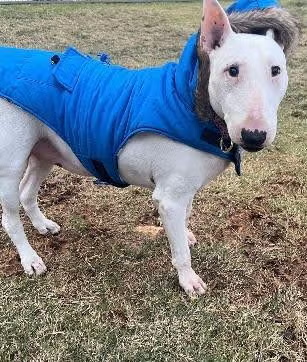 Hypothermia
- Frostbite (especially ears, paws, and tails)
- Worsening arthritis and joint pain
- Weakened immune response
- Skin irritation and dryness
Cold, wet, and windy conditions can lower a pet’s body temperature faster than most people realize — especially in small breeds, senior pets, short-haired animals, and pets with medical conditions.
Outdoor Time: Shorter Is Safer
During colder days and nights, outdoor time should be limited, even for dogs who usually enjoy being outside.
Tips for winter outdoor safety:
- Keep potty breaks short during freezing or rainy weather
- Watch for shivering, lifting paws, or reluctance to walk
- Dry your pet off when they come back inside
- Avoid letting pets sleep outside during cold nights
Outdoor pets should always have:
- A dry, insulated shelter
- Protection from wind and rain
- Plenty of fresh, unfrozen water
- Warm bedding that stays dry
If temperatures drop near freezing, it’s safest for pets to be brought indoors whenever possible.
Protecting Paws in Cold and Wet Conditions
Cold pavement, wet grass, and chemical de-icers can irritate your pet’s paws.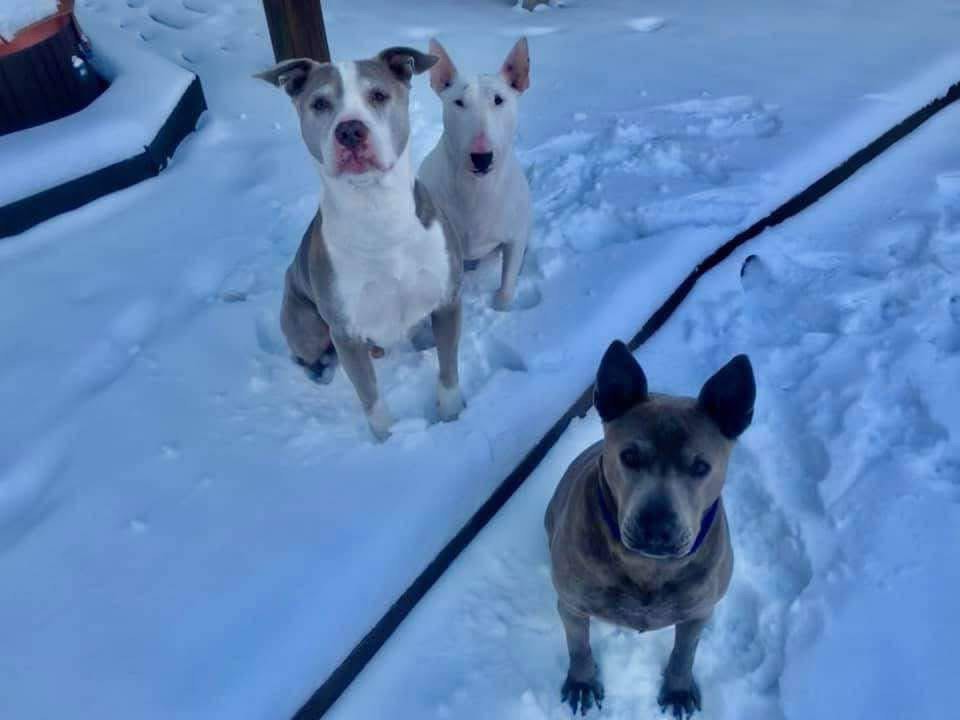
Watch for signs of paw discomfort such as:
- Limping
- Licking or chewing at paws
- Cracked pads
- Redness or swelling
Helpful paw care tips:
- Wipe paws after walks to remove moisture
- Keep fur between toes trimmed to prevent ice buildup
- Avoid areas treated with ice-melt chemicals when possible
Healthy paws help prevent infections and keep your pet comfortable all winter long.
Arthritis and Joint Pain Often Worsen in Winter
Many pets with arthritis or joint issues become stiffer and more uncomfortable during colder weather.
You may notice: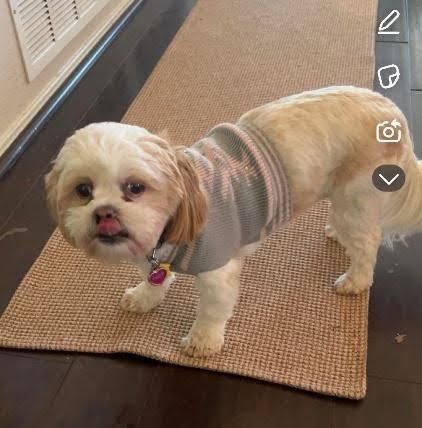
- Slower movement
- Hesitation to jump or climb stairs
- Stiffness after resting
- Less interest in play or walks
Cold weather can cause joints to stiffen, making movement more painful.
If your pet shows signs of joint discomfort, your veterinarian may recommend:
- Joint supplements
- Anti-inflammatory medications
- Weight management
- Gentle exercise routines
Keeping pets warm and maintaining comfortable indoor resting areas can also help reduce stiffness.
Indoor Cats Aren’t Immune to Winter Issues
Even pets that rarely go outside can be affected by seasonal changes.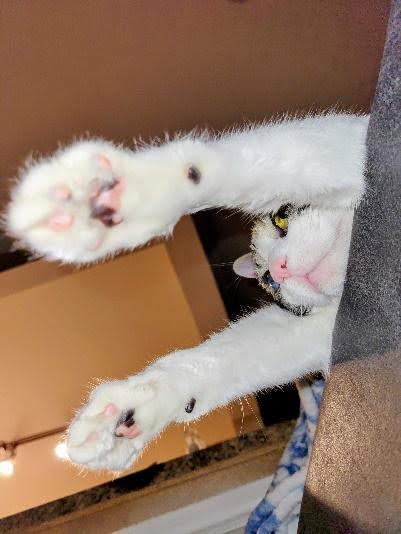
Winter can lead to:
- Reduced activity and weight gain
- Dry skin and coat issues
- Less sunlight exposure
- Increased boredom and stress
Keeping indoor pets active with toys, climbing structures, and playtime helps maintain physical and mental health during colder months.
If you notice changes in appetite, grooming, or litter box habits, those can be signs that a checkup is needed.
Do Pets Need Sweaters or Coats?
Some pets benefit from extra warmth, especially: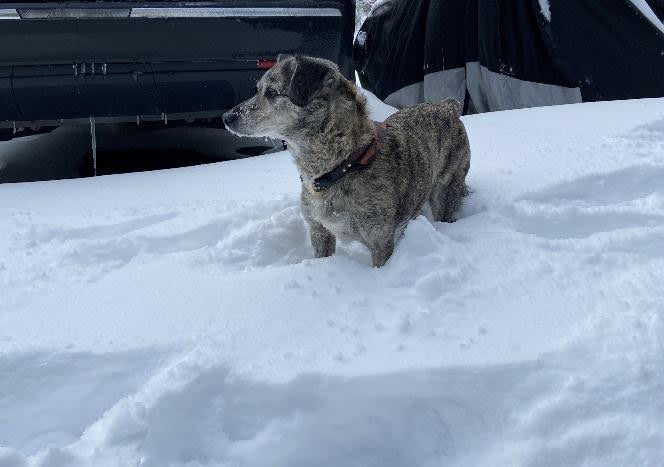
- Small breeds
- Short-haired dogs
- Senior pets
- Pets with chronic illness
If your pet shivers or seems reluctant to go outside, a properly fitted coat may help during short outdoor trips.
However, coats should:
- Fit comfortably without restricting movement
- Stay dry
- Be removed indoors to prevent overheating
Not every pet needs clothing, but for some, it can make winter outings more comfortable.
Frozen Hazards and Household Dangers
Winter also brings increased risks inside the home.
Be cautious of:
- Antifreeze spills (extremely toxic, even in small amounts)
- Space heaters pets may knock over
- Heated blankets or cords that may be chewed
- Ice melt chemicals tracked indoors
Always clean up garage and driveway spills promptly, and store chemicals out of reach of pets.
When to Call the Vet in Cold Weather
Contact your veterinarian if your pet shows signs of:
- Shivering that doesn’t stop
- Lethargy or weakness
- Trouble walking or standing
- Pale gums
- Severe coughing or breathing changes
- Wounds that won’t heal
Cold weather can worsen existing health conditions, so changes in behavior or energy levels should never be ignored.
Keeping Pets Healthy All Winter Long
Simple steps can make a big difference in keeping pets safe during colder months:
- Provide warm sleeping areas away from drafts
- Maintain regular exercise indoors when needed
- Keep up with routine veterinary care
- Continue parasite prevention year-round in Texas
Winter doesn’t mean health risks disappear — it just means they change.
Visit or Contact Holland Lake Animal Hospital
If you have questions about your pet’s winter health or notice changes in behavior, mobility, or comfort, our team is here to help.
Holland Lake Animal Hospital
1320 Santa Fe Dr, Suite 300
Weatherford, TX 76086
Phone: (817) 599-9971
We are proud to care for the pets of Weatherford and surrounding communities and look forward to helping your pets stay safe and healthy all winter long.