When Is It Time for a Vet Visit? Signs Your Pet Should Be Seen by a Professional
As pet owners, we all want to do what’s best for our furry family members. But one of the hardest decisions can be knowing when something is serious enough to call the veterinarian and when it might be okay to monitor things at home.
Pets can’t tell us when something hurts, and they’re often very good at hiding discomfort. That’s why paying attention to small changes in behavior, appetite, energy, and routine can make a big difference in catching problems early.
At Holland Lake Animal Hospital, we believe that no concern is ever too small to ask about. If you’re unsure whether your pet needs to be seen, we’re always happy to help guide you. In the meantime, here are some important signs that it may be time to schedule a vet visit.
You Know Your Pet Best — Trust Your Instincts
First and foremost, remember this: you are the expert on your own pet.
If your dog or cat is acting differently than normal even if you can’t quite put your finger on why that alone can be reason enough to check in with your veterinarian. Subtle changes often appear before obvious symptoms.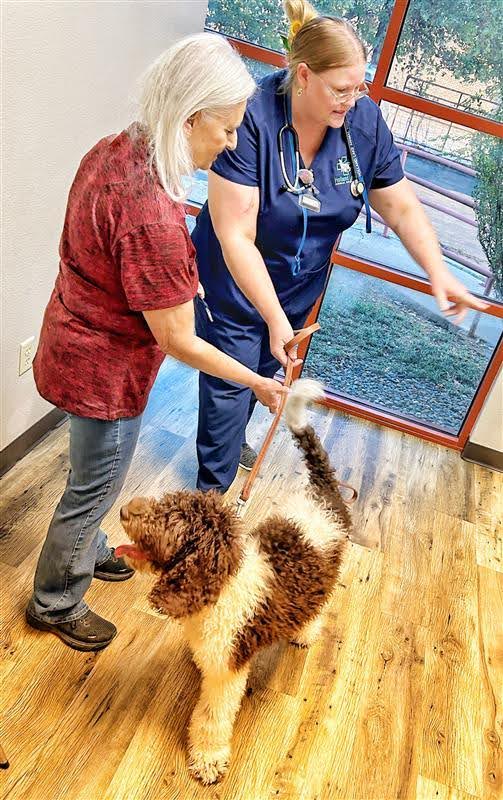
Some common “gut feeling” signs include:
- Your pet seems quieter than usual
- They aren’t greeting you at the door
- They stop playing with favorite toys
- They seem restless or uncomfortable
- They hide more than normal
These changes don’t always mean something serious is happening, but they are often the body’s way of signaling that something isn’t quite right.
When in doubt, it’s always better to call and ask than to wait and worry.
Vomiting and Diarrhea: When Is It More Than an Upset Stomach?
Occasional vomiting or a single bout of diarrhea can happen, especially if your pet ate something unusual or got into the trash. However, persistent or severe digestive issues should never be ignored.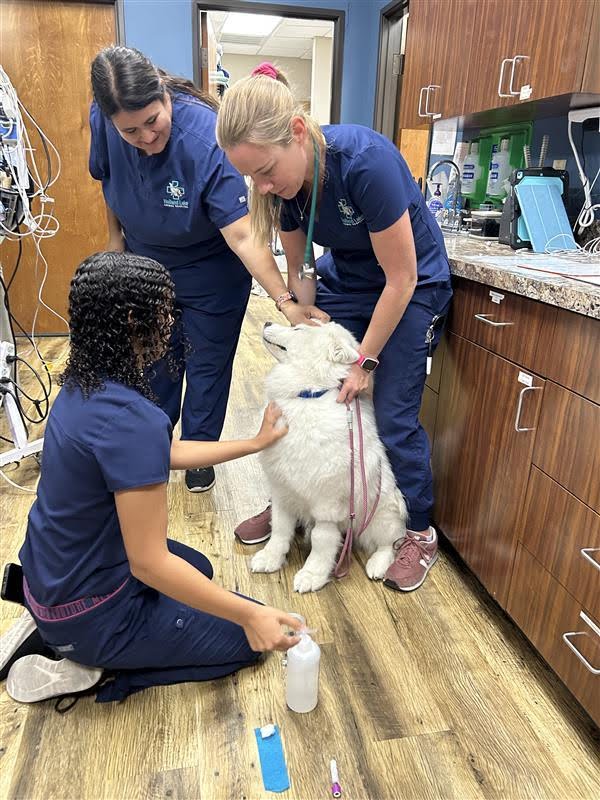
You should call your veterinarian if:
- Vomiting or diarrhea lasts longer than 24 hours
- There is blood in vomit or stool
- Your pet is vomiting repeatedly
- Your pet seems lethargic or weak
- Your pet refuses food or water
- Your pet is a puppy, kitten, or senior
Dehydration can happen quickly, particularly in smaller pets, and gastrointestinal problems can sometimes indicate infections, parasites, pancreatitis, intestinal blockages, or toxin exposure.
Early treatment often leads to faster recovery and can prevent more serious complications.
Limping, Stiffness, or Trouble Moving
If your pet is limping, hesitating to jump, struggling to stand, or moving more slowly than usual, it may be a sign of:
- Injury or strain
- Arthritis
- Joint problems
- Torn ligaments
- Spinal issues
While some mild soreness may improve with rest, limping that lasts more than a day or appears suddenly should be evaluated. Pain can worsen if left untreated, and some orthopedic injuries require prompt care to prevent long-term damage. Pets often try to continue their normal routines even when they’re hurting, so changes in movement are important clues that shouldn’t be brushed off.
Sudden Behavior Changes
Behavior changes are one of the most overlooked signs of medical issues in pets.
Call your vet if you notice:
- Aggression that is out of character
- Increased hiding or withdrawal
- Excessive vocalization
- Confusion or disorientation
- Accidents in the house after being well-trained
These changes can sometimes be linked to pain, neurological problems, infections, hormonal imbalances, or cognitive changes in senior pets.
What may look like “bad behavior” can actually be your pet’s way of saying they don’t feel well.
Loss of Appetite or Changes in Drinking
If your pet skips a meal occasionally, it may not be alarming. But a noticeable decrease in appetite or sudden increase or decrease in drinking can signal medical concerns.
You should contact your veterinarian if:
- Your pet refuses food for more than 24 hours
- Your pet drinks excessively or barely drinks at all
- Your pet is losing weight without explanation
Changes in appetite and thirst can be linked to kidney disease, diabetes, infections, dental pain, gastrointestinal problems, and more.
Since nutrition and hydration are essential to overall health, these signs are always worth investigating.
Breathing Problems Are Always an Emergency
Difficulty breathing is one of the most serious signs you can see in a pet and should be treated as urgent.
Seek immediate veterinary care if your pet has:
- Rapid or labored breathing
- Open-mouth breathing (especially in cats)
- Blue or pale gums
- Coughing combined with weakness or collapse
Breathing issues can be caused by heart disease, lung problems, allergic reactions, infections, or airway blockages, and they can become life-threatening very quickly.
Never wait on breathing concerns — getting help right away can save your pet’s life.
Wounds, Lumps, and Skin Changes
If you notice cuts, swelling, or growths on your pet’s body, it’s important to keep an eye on them and seek veterinary advice when needed.
Call your vet if:
- A wound looks deep, swollen, or infected
- A lump grows quickly or feels firm
- Your pet is excessively licking or chewing an area
- Skin becomes red, hot, or oozing
Not all lumps are dangerous, but only a veterinary exam can determine whether further testing is needed. Early detection is always best when it comes to skin tumors and infections.
Puppies, Kittens, and Senior Pets Need Extra Caution
Young and elderly pets can decline much faster than healthy adult animals.
You should be especially cautious if:
- A puppy or kitten stops eating
- A senior pet suddenly becomes weak or confused
- There are sudden changes in mobility or bathroom habits
Because their immune systems and organ function may not be as strong, even mild symptoms can become serious more quickly in these age groups.
When it comes to vulnerable pets, it’s better to err on the side of caution.
Why Early Visits Matter
One of the most important reasons to seek veterinary care early is that many conditions are easier and less expensive to treat when caught early.
Waiting can lead to:
- More advanced illness
- More complex treatments
- Longer recovery times
- Increased discomfort for your pet
Routine wellness exams and timely sick visits allow veterinarians to catch problems before they become emergencies.
At Holland Lake Animal Hospital, our goal is always to provide compassionate, thorough care while helping you make informed decisions about your pet’s health.
Not Sure? Call and Ask — That’s What We’re Here For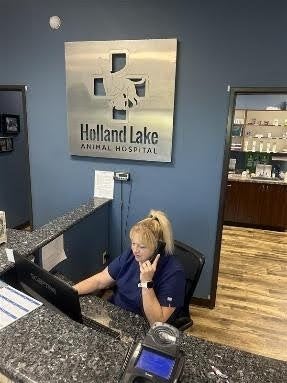
We understand that not every symptom means an emergency, and we also understand that vet visits can be stressful for pets and owners alike. That’s why we encourage our clients to call when they’re unsure.
Our team can help determine:
- Whether your pet should be seen right away
- Whether it’s safe to monitor symptoms at home
- What signs would mean it’s time to come in
There is no such thing as a silly question when it comes to your pet’s health.
Your Pet Is Family — And We’re Here to Help
At Holland Lake Animal Hospital, we are proud to serve the pets and families of Weatherford and surrounding communities. We know that your pets are more than animals — they are part of your family, your daily routines, and your heart.
Whether it’s a routine wellness exam, a sudden illness, or just peace of mind, our team is here to support you with:
- Compassionate care
- Experienced medical staff
- Clear communication
- A commitment to treating every pet like our own
If something doesn’t feel right with your pet, don’t wait. Trust your instincts, give us a call, and let us help you take the best possible care of your furry family member.
Because when it comes to your pet’s health, you’re never alone — and you never have to guess.
Visit or Contact Holland Lake Animal Hospital
If you have concerns about your pet’s health or would like to schedule an appointment, our team is here to help.
Holland Lake Animal Hospital
1320 Santa Fe Dr, Suite 300
Weatherford, TX 76086
Phone: (817) 599-9971
 Our knowledgeable and compassionate staff is proud to serve the Weatherford community and surrounding areas. We look forward to caring for your pets and being your trusted veterinary partner.